Sibcy House - Adult Residential Programs for Mental Health and Addiction
Assessment and Individualized Treatment

Who Benefits the Most from Adult Residential Programs?
Our approach offers a clinical advantage for patients who:
- Are experiencing their first behavioral crisis or have recently been diagnosed with a mental disorder.
- Have struggled with long-standing mental illness and/or multiple diagnoses.
- Experience intermittent or escalating behavioral crises.
- Have reached an impasse with their current treatment plan.
- Are facing difficulties at work school or home caused by substance or behavioral addictions.
- Had their medications changed three or more times in an attempt to alleviate their symptoms.
- May have multiple underlying issues that may not have even been diagnosed yet.
- Nothing seems to be working and the next steps are difficult to determine.
If you’re unsure if residential treatment is the right option, you can find more information here.
Sibcy House at Lindner Center of Hope, near Cincinnati, Ohio, is a specialized and enhanced therapeutic environment connected to the larger hospital, offering comprehensive assessment and short-term residential treatment programs for individuals, age 18 and older, suffering with complex, co-morbid mental health and addiction issues.
Our renowned multi-disciplinary clinical team uses state-of-the science technology, evidence-based treatment modalities and clinical expertise to accurately assess patients, create individualized treatment plans, and provide intensive short-term treatment designed to improve overall treatment trajectory and ready the individual for success at the next identified level of care.
Adult Residential Programs for Mental Health and Addiction
Adult Residential Comprehensive Diagnostic Assessment
During the first 10 days of the patient’s stay in Sibcy House adult residential programs the patient meets with a range of clinical professionals from the multidisciplinary treatment team in order to complete the evaluation and assessment process. In the process, patients begin to form trusting relationships with their treatment team and with unit staff who are available to meet individualized needs. The clinical team reviews the information gathered and develops clinical recommendations that will be presented to the patient. This in-depth feedback occurs through a meeting of the multidisciplinary team, the patient, and family members and other key supports or providers as appropriate. Key evaluation, assessment, and testing components may include:
- Psychiatric evaluation including psychopharmacological assessment (as indicated)
- Psychological and neuropsychological testing
- SCID: Structured Clinical Interview
- Assessment for addictions (including behavioral addictions)
- Psychosocial assessment and aftercare planning
- Neurodivergence/Autism assessment
- Nursing assessment
- History and physical assessment – internist
- Nutritional assessment
- Pharmacogenetic testing (genetic testing) when indicated and at an additional charge
- Spiritual assessment upon request
- Clinical observation through group therapy and therapeutic milieu involvement
- Recreation therapy assessment
Call 513-536-0537
28-Day Diagnostic and Adult Residential Treatment Program
Each patient receives the Comprehensive Diagnostic Assessment as part of the 28-day adult residential program and individual therapy begins during this assessment period. The patient’s team is led by the attending psychiatrist and includes a doctoral level psychologist, master level social worker, licensed clinical professional, group therapists, dietitian, recreation therapist, spiritual counselor, and a host of other professionals including RNs and mental health specialists. This is a structured comprehensive program with a full schedule of daily events. Several groups occur daily and cover a multitude of topics designed to deal with clinical issues and teach new skills. Dialectical Behavioral Therapy (DBT), Cognitive Behavioral Therapy (CBT), and exposure therapy are some of the primary approaches used at Sibcy House.
- Psychiatrist: visits as needed
- Psychologist: provides the individual therapy and sees patients multiple times per week
- Social Worker: coordinates daily schedules and treatment, provides for clinical work with family or/support – care person, coordinates aftercare and follow-up for the patient
- Recreation, expressive, and leisure therapy
- Spiritual care
- A variety of psychoeducational and process groups each day
- Addictions and behavioral addictions track, including internet addiction
- Specialized OCD, DBT and Anxiety tracks include coaching sessions with trained staff
Assessment and Intensive OCD Treatment Program
Individuals suffering from obsessive compulsive disorders (OCD) can begin the road to Recovery at Sibcy House adult residential treatment program at Lindner Center of Hope. Clients can start in Phase I with assessment, clarification of diagnosis, an evaluation for treatment readiness, treatment recommendations and treatment initiation including, beginning Exposure and Response Prevention (ERP). Clients entering Phase II will participate in intensive ERP treatment, individualized therapy, daily coaching with anxiety specialist, self-directed work, Dialectical Behavioral Therapy and Mindfulness Therapy. Robust therapeutic support is provided by specialized staff.
The residential OCD treatment program at Lindner Center of Hope was developed by experienced OCD specialists who serve as guiding members of the core treatment team. Lindner Center of Hope’s residential OCD treatment program track is located in a tranquil and therapeutic setting, with single-occupancy patient rooms and 24-hour nursing care. The diverse patient population, more closely resembles a natural environment, which enhances preparedness for the return to a step-down level of care or home. Each patient’s treatment team includes a psychiatrist, licensed clinician and OCD specialist. Lindner Center of Hope has an excellent reputation for successful outcomes with patients suffering with OCD.
Additional Therapies and Treatments
Radically Open Dialectical Behavior Therapy (RO-DBT)
RO-DBT is designed to focus on building flexible responding, authentic emotional expression, self-inquiry, and ability to manage unexpected or challenging feedback. The primary goals of RO-DBT include improving social signaling, enhancing receptivity and openness, and increasing interpersonal connection.
Substance Use Disorder, Internet Addiction and/or Secondary Eating Disorder Consultation
For many Sibcy House patients, specialty consultations for substance abuse, internet addiction or secondary eating disorders may be helpful, if an issue is suspected. In addition to working with their primary therapist multiple times per week, patients with substance use disorder, internet addiction or a secondary eating disorder, will have access to specialists, as needed.
Disorders
We treat a variety of disorders, as well as complex issues and co-occurring disorders. Our adult residential programs are built to get to the root of these issues and treat each disorder both individually and together. Here are the disorders we diagnose and treat.
- Anxiety Disorders
- Addictive Issues
- Co-Occurring Disorders
- Eating Disorders
- Depression and Mood Disorders
- Obsessive Compulsive Disorder (OCD)
Residential care at Sibcy House includes care for people across the lifespan:
Late Teens (18 and 19 years old)
- Evaluation and/or assessment to help chart a future path
- Early intervention around emerging conditions, which helps improve outcomes
- Coping skills to assist with independence
- Family therapy to address failure to launch issues
- Future planning (e.g., college, work, relationships)
- Problem solving regarding difficulties in starting college
- Education and treatment for emerging/existing substance use issues
Early Adulthood (20 to 35 years old)
- Evaluation and assessment, including identifying emerging disorders
- Clarification of future goals
- Enhancing motivation for recovery
- Values clarification
- Individual identity discovery
- Negotiating mental health issues in college and early career
- Negotiating parenting and mental health/addiction concerns
Mid-Life (35 to 50 years old)
- Evaluation and assessment for next steps, life direction
- Stress management
- Assisting high level professionals with self-care
- Coping with life transitions (i.e., health changes, launching children, divorce, )
Mature Adulthood (50 to 80 years old)
- Introduction to RODBT, an evidence-based treatment that promotes increased flexibility and ease of coping and is often helpful to older adults
- Evaluation and/or assessment to help plan the next life phase
- Adjusting to retirement or other life role changes
- Aging, chronic illness, loss of spouse, and grief
- Creating a network of support
- Transitioning of a family business
- Coping with chronic pain
Late Adulthood (80+ years old)
- Evaluation and/or assessment for “what now”
- Coping with aging, failing health, dying
- Coping with chronic pain
Why Choose Sibcy House?
At the conclusion of their initial stay in the adult residential program, patients may often benefit from ongoing treatment, as recommended by the treatment team. Many patients choose to extend their care at Sibcy House in order to take advantage of its robust therapeutic environment, receiving treatment from the same team of experts that they worked with during the completion of their comprehensive diagnostic assessment. Programming at Sibcy House supports stays for as long as 90 days for patients continuing to follow their treatment plan. An extended stay increases the likelihood that the patient can make substantial improvement in symptoms and reduce the likelihood of relapse or readmission, or in some cases, the need to go to another residential facility upon discharge.
Internationally recognized for progressive programs and exceptional skills, our clinicians and support staff look forward to assisting you in your journey toward a healthier and more fulfilling life. Learn more Residential Treatment Programs about why you should choose us here.
Call 513-536-0537
A treatment team that prioritizes individual care.
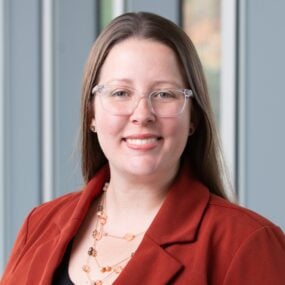
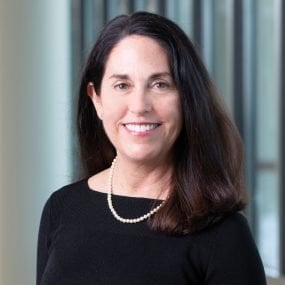
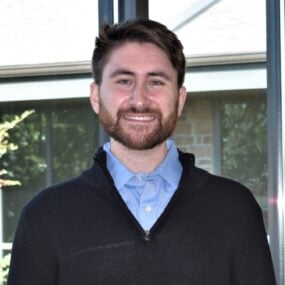
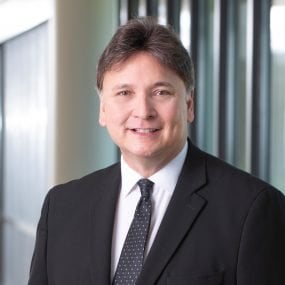
The staff who conduct mental health assessments and provide treatment are also the ones responsible for the outcomes and successes. The impressive team of mental health professionals who conduct evaluations and provide treatment at Sibcy House are full-time staff and faculty of the University of Cincinnati College of Medicine. They work on-site and are highly credentialed in a variety of subspecialties. This level of expertise transforms the nature of clinical teamwork. Physicians, psychologists, and specialists work side by side daily to share timely and critical patient information. This collaboration is core to our DNA.
And while Lindner Center of Hope clinicians bring enormous competence to the work, our genuine care for people who are suffering is felt and appreciated. Many tell us that our kindness, honesty, and dedication provide the inspiration and hope they need to move forward.









Not sure if residential treatment is right for you or your loved one? View our Guide to Residential Mental Health to find out more information.